
Blade of Shadows
PlayStormRedAdventure
4.5104.00 Reviews
- Version
- 1.0.2
- Installs
- 100.00K
- Age Rating
- Teen
Screenshots
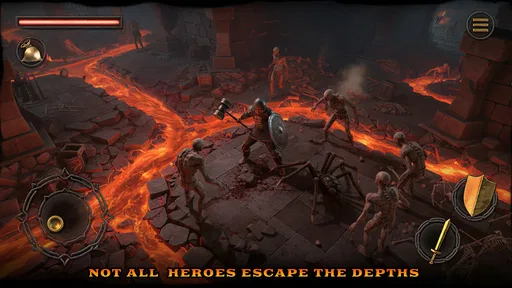
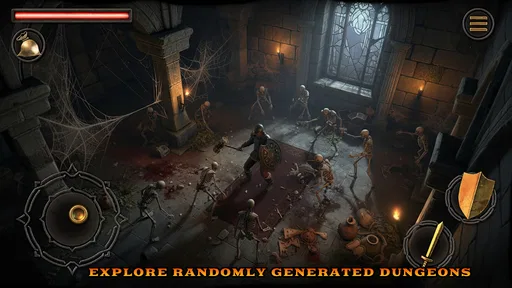
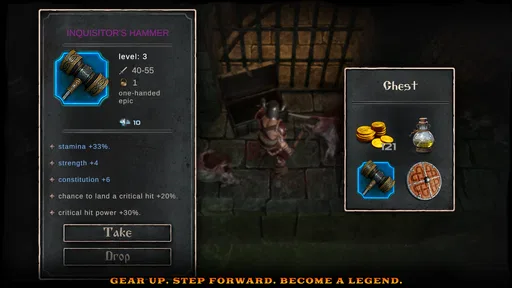
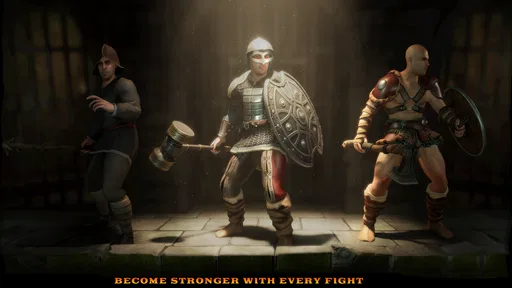
Our Review of Blade of Shadows
 Analysis by Appyee
I went into Blade of Shadows expecting a familiar mobile dungeon adventure, and that is largely what I found: a compact role-playing game built around entering dangerous places, fighting monsters, improving equipment, and deciding how far I can push a run before survival becomes more important than progress. Its appeal is straightforward rather than revolutionary, but the combination is easy to understand and surprisingly comfortable to return to. I can see why this adventure game has reached over 100 thousand installs and an average rating of 4.5 from around 2.1 thousand ratings.
My overall view is positive, with one important qualification. The game works best when I want focused fantasy combat and gradual character improvement, not when I am looking for a huge story, a sprawling open world, or a deep social experience. PlayStormRed has aimed at the familiar dungeon-crawler loop, and the result feels most convincing when I treat each expedition as a series of small decisions instead of rushing through it as a simple monster-bashing exercise.
What makes the dungeon loop work
The basic rhythm is easy to settle into. I enter a dungeon, deal with hostile creatures, collect or work toward better gear, and use that stronger equipment to handle more demanding encounters. That structure is common in mobile adventure games, but it remains effective because every part supports the next one. Battles give the journey purpose, upgrades make earlier effort feel worthwhile, and the danger of losing momentum gives ordinary rooms a little more tension.
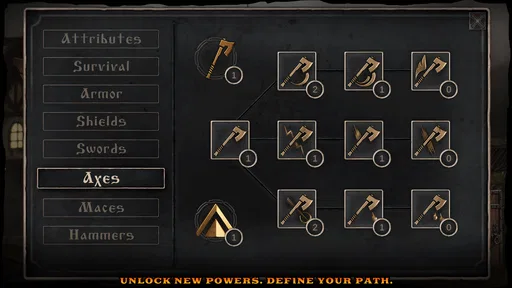
The strongest part of the design is the way equipment becomes a practical decision rather than a decorative reward. When I improve my gear, the benefit is not just a larger number on a character screen; it changes how confidently I approach the next section. A weapon or defensive improvement can be the difference between cautiously managing a fight and feeling able to take a calculated risk. That makes the upgrade process feel connected to play instead of being a separate menu task.
I also appreciate that the survival theme gives the adventure a useful sense of pacing. In many mobile games, progress can feel automatic because the safest choice is always to continue until the stage ends. Here, the idea of surviving the dungeon encourages a more measured approach. I find myself thinking about whether a difficult encounter is worth taking immediately, whether my current equipment is good enough, and whether pushing onward is sensible or simply impatient.
That decision-making is one of the less obvious strengths of Blade of Shadows. The store summary makes it sound like a direct dungeon crawler, but the more enjoyable experience comes from managing risk between fights. I do not need elaborate strategy every second, yet I am rewarded for paying attention to the condition of my run and not treating every battle as interchangeable.
Combat that favors attention over button mashing
The combat is at its best when I approach it with patience. Enemies may be the immediate obstacle, but the real challenge is keeping a good rhythm through several encounters. Charging ahead can make a run feel efficient when everything goes well, but it also exposes the weakness of an underprepared character. I get more value from the game when I pause long enough to read the situation and let my equipment choices guide my confidence.
This makes the game suitable for short sessions. I can play while taking a break, finish a meaningful stretch of dungeon progress, and stop without needing to commit to a long story chapter. At the same time, the structure gives me a reason to return later: I can improve the character, try the route again with better preparation, and see whether a previously uncomfortable section now feels manageable.
That short-session quality is useful in everyday life. If I have ten or fifteen minutes before an appointment, I can use the time for a focused expedition rather than beginning a game that demands a long uninterrupted sitting. The game also suits a quiet evening when I want something more involved than a puzzle but less demanding than a large console-style role-playing adventure.
There is a trade-off, though. Players who need constant mechanical variety may find the central loop predictable after the novelty fades. Fighting, upgrading, and surviving are satisfying because they reinforce one another, but they are still the same three pillars throughout the experience. I would not choose this game for someone who becomes restless when a title asks them to repeat a proven routine.
Gear progression is the reason to keep going
For me, the equipment system is the main reason to continue after the first few sessions. A dungeon crawler needs a convincing answer to the question, “Why should I enter one more room?” Better gear provides that answer, but only when the improvements feel connected to actual problems in the dungeon. The most satisfying moments come when I return with a stronger setup and notice that an encounter that once forced me to retreat is now a controlled challenge.
I recommend treating upgrades as preparation, not merely as a reward for finishing a run. When I am stuck, I would first look at whether my equipment is genuinely suited to the obstacle rather than assuming that repeating the same attempt will solve everything. This is a simple habit, but it prevents wasted sessions and makes the progression feel more deliberate.
Another useful approach is to avoid spending every available resource immediately. Holding back a little gives me room to respond when a more meaningful improvement becomes available. That matters particularly in a game with optional purchases ranging from $0.49 to $14.99 per item. The free entry point is welcome, but I prefer to make progress decisions based on the dungeon rather than feeling pressured to buy my way past an uncomfortable section.
I cannot call the purchase model a deal-breaker, because the game is free to start and the core appeal remains accessible without an upfront payment. Still, players who dislike any form of in-app purchase should know that the presence of purchasable items can affect how they evaluate progression. My advice is to decide before playing whether you are comfortable ignoring those offers. If the answer is no, a paid game with a single purchase may be a better fit emotionally, even if it has a higher initial cost.
The weakness: familiar structure and limited room for experimentation
The meaningful limitation is not that the dungeon formula is poorly chosen; it is that the formula can feel narrow. The game gives me a clear reason to fight and upgrade, but that clarity also reduces the number of ways I can engage with it. Players looking for rich narrative choices, extensive exploration outside the dungeon, or a broad collection of unrelated activities may find the experience too focused.
This matters because the usual alternatives in the adventure role-playing category often compete through scale. Some offer large maps, long dialogue sequences, party management, crafting, or multiplayer systems. Blade of Shadows takes the opposite route. Its strength is concentration, but concentration can feel like repetition if I am expecting a complete fantasy world rather than a dungeon-centered progression game.
I would also be cautious about recommending it to someone who wants a game that can be played almost passively. The upgrade loop may be simple to understand, but surviving effectively still benefits from attention. If I am distracted, I am more likely to make poor choices and then blame the equipment system for a problem that actually came from rushing. It is accessible, but that does not mean it is entirely mindless.
The age rating is Teen, which is worth keeping in mind for families choosing games for younger players. It places the title in a more mature bracket than a child-focused adventure, so I would check whether its tone and combat style suit the intended player before installing it on a shared device.
Who will get the most from it
I think the best audience is someone who enjoys the dependable satisfaction of a dungeon crawler but does not need a massive amount of content around that loop. If you like improving a character through equipment, testing that improvement against monsters, and gradually surviving places that once felt dangerous, this is an easy game to understand and a pleasant one to revisit.
It is especially suitable for players who prefer progress in small steps. I can make a little headway, stop, and return later without losing the central thread. That makes it more approachable than a long-form role-playing game that expects me to remember a complicated plot or a large set of systems after every break.
It is also a reasonable choice for someone moving from simple action games into role-playing games. The equipment loop gives a gentle introduction to character development: improve the tools that matter, notice the effect in combat, and adjust the plan when the dungeon becomes harder. I would not describe it as a full tutorial for the entire genre, but it offers a clear path into the basic relationship between preparation and performance.
On the other hand, I would point fans of story-heavy adventures toward a different option. If your favorite part of a role-playing game is meeting companions, making dialogue choices, or uncovering a detailed world history, the focused dungeon structure here may leave you wanting more. Likewise, players who need competitive multiplayer or cooperative expeditions should look elsewhere rather than hoping the core loop will eventually become something it was not designed to be.
Practical details before installing
Blade of Shadows is free, so trying it does not require an initial purchase. That makes it easy to test whether the combat rhythm suits you before committing time to the progression. The in-app items cost between $0.49 and $14.99 each, so I would approach the game with a personal spending limit if optional purchases are a concern.
The current version is 1.0.2, and the game requires Android 12 or newer. That requirement is important for anyone using an older phone or tablet; checking the device version first can save an unnecessary installation attempt. Since the title is listed for Android, I would also make sure the device has enough comfortable screen space for combat and menus rather than assuming that every older handset will provide the same experience.
PlayStormRed is still building its identity around a familiar genre, and that is both reassuring and limiting. The game does not need to explain an unusual concept before I can enjoy it, but it also has to earn my attention through the quality of its dungeon rhythm and progression. In my experience, it does that well enough for short, repeatable sessions, though not so dramatically that it replaces every other adventure game on my device.
My verdict after settling into the routine
I recommend Blade of Shadows to players who want a focused mobile dungeon adventure with a clear upgrade path and enough survival pressure to make each expedition feel purposeful. Its best qualities are its approachable structure, the satisfying connection between equipment and combat, and the way it fits naturally into short breaks or relaxed evening sessions.
The game is less convincing as an all-purpose role-playing experience. Its focused loop can become familiar, and players seeking deep storytelling, broad exploration, or extensive social systems will probably be happier with a different kind of adventure. The free price makes experimenting easy, but the optional purchases mean I would still set expectations before playing.
My final recommendation is straightforward: install it if you want to fight through dungeons, improve your gear, and make steady progress without learning a complicated web of systems. Skip it if repetition quickly wears you down or if you need a large narrative world to stay engaged. For the right player, the best reason to keep returning is the feeling that careful preparation turns survival into control, and that is a solid foundation for a free mobile adventure.
Verdict
Strengths of Blade of Shadows
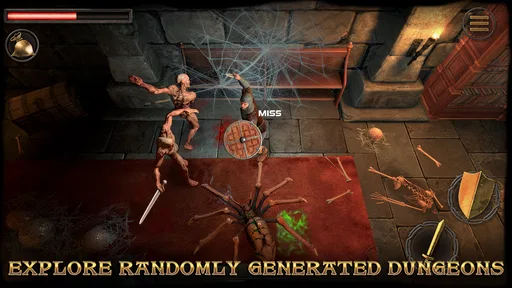
- Fast-paced combat feels responsive and satisfying.
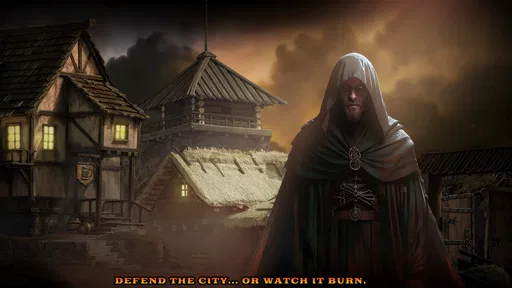
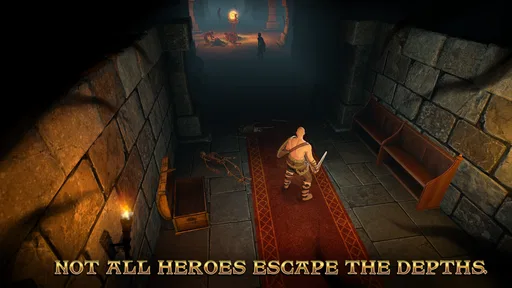
- Dark fantasy visuals create a memorable atmosphere.
- Weapon variety encourages different combat approaches.
- Exploration rewards players with hidden areas and loot.
- Short sessions make it easy to play on mobile.
Limitations of Blade of Shadows
- Difficulty spikes can make some encounters frustrating.
- Touch controls may feel cramped during intense fights.
- The story is relatively light and predictable.
- Some areas can look repetitive after extended play.
- Progression may feel slow without frequent upgrades.
Similar Picks in This Category
View All
Roblox
Roblox Corporation4.2

Pokémon GO
Niantic, Inc.3.5

Ninja warrior: legend of adven
TOH Games4.6

Ninja Arashi
Black Panther4.6

Eyes - The Horror Game
Fearless Games sp. j.4.5

Critical Action:Gun Strike Ops
FPS Shooter & Action Game4.3
Frequently Asked Questions
What is Blade of Shadows, and what kind of game is it?
Blade of Shadows is an action-focused game built around sword combat, exploration, and challenging encounters. Players control a warrior who must move through dangerous environments, fight different enemies, and improve their abilities over time. The game is aimed at people who enjoy fast-paced battles, dark fantasy themes, and progression systems that reward practice, timing, and strategic use of attacks.
Is Blade of Shadows free to download and play?
Blade of Shadows can generally be downloaded without an upfront purchase, but availability and monetization may vary depending on the Android or iOS version and your region. Before installing, check the store listing for optional in-app purchases, advertising, energy systems, or premium content. Players should also review the payment settings on their device, especially if children may use the application.
Does Blade of Shadows require an internet connection?
The internet requirements may depend on the specific version and features you use. Basic gameplay may be available offline in some releases, while updates, cloud saves, advertisements, online rewards, account features, or purchases can require a connection. We recommend launching the game once while connected and checking its settings before relying on it for travel or areas with limited mobile data.
Is Blade of Shadows suitable for children?
Blade of Shadows may not be ideal for very young players because its main focus is combat, including sword fights, enemy attacks, and potentially dark or intense visual themes. Parents should check the official age rating for their country, as well as the presence of advertisements, in-app purchases, and online features. The game is generally better suited to players comfortable with action-oriented fantasy content.
What devices are recommended for playing Blade of Shadows smoothly?
For the best experience, Blade of Shadows should be installed on a reasonably modern Android or iOS device with enough free storage, updated system software, and stable performance. Older phones or tablets may experience longer loading times, reduced graphics quality, overheating, or occasional slowdowns during busy battles. Check the official store requirements before downloading, and close background apps if performance is inconsistent.
Play our best games!


